
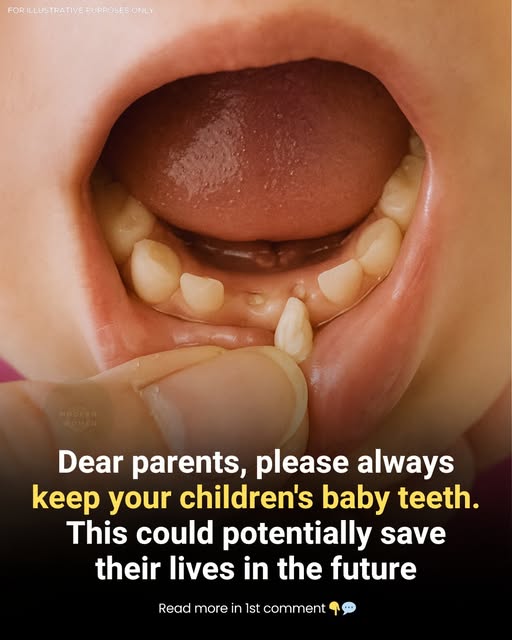
Preservation of stem cells may sound like science fiction, but I assure you, it is not. Scientists have discovered that baby teeth contain valuable stem cells that may one day help regenerate different parts of the body. In the future, something as small and ordinary as a child’s lost tooth could potentially play a role in life-saving treatments. Because of this exciting possibility, some parents have already begun storing their children’s baby teeth for long-term preservation. This process is known as tooth banking.

What Are Stem Cells?
To understand why baby teeth matter, it helps to first understand stem cells. Think of stem cells as the body’s “master cells.” Unlike ordinary cells that have a single, fixed job, stem cells are unique and powerful because they can do two remarkable things.
First, they can make copies of themselves. This ability is called self-renewal. It means stem cells can continue dividing and producing new stem cells over time, giving the body a steady supply.
Second, they can transform into other types of cells. This is known as differentiation. Under the right conditions, a stem cell can become a muscle cell, a nerve cell, a blood cell, skin tissue, or even bone. Because of this flexibility, stem cells play a critical role in growth, development, and healing.
In simple terms, stem cells are the building blocks that help the body repair itself. When you scrape your knee or break a bone, stem cells help create the new cells needed to fix the damage. Researchers believe that, in the future, these natural repair abilities could be harnessed in even more powerful ways.

Why Baby Teeth Are Special
Baby teeth are more than childhood milestones or keepsakes for memory boxes. Inside the soft pulp of these teeth are dental stem cells. These cells are young, adaptable, and full of regenerative potential. Because they are collected early in life, they are considered “fresh” and less likely to have been exposed to environmental damage.
Scientists are actively studying how dental stem cells might be used in regenerative medicine. Although many treatments are still under research and not yet widely available, early findings are promising.
Researchers believe that one day these cells could help:
- Heal broken bones more quickly
- Repair damaged heart tissue after illness
- Restore nerve function or improve recovery from nerve injuries
- Support future therapies for conditions such as diabetes or Parkinson’s disease
It is important to note that many of these applications are still being explored in laboratories and clinical trials. However, the rapid progress in regenerative medicine has made the idea far less like science fiction and much more like a realistic possibility.

What This Means for Parents
For parents, the concept is both fascinating and hopeful. Tooth banking involves carefully collecting a naturally shed baby tooth and sending it to a specialized facility, where the stem cells are extracted and cryogenically preserved. The goal is to keep them viable for potential future medical use.
While there is no guarantee that these stored cells will be needed or used, some families see it as a form of biological insurance—similar to cord blood banking. They choose to store the cells now, just in case future medical advancements make them useful.
As research continues to advance, the idea that a tiny baby tooth could one day contribute to healing or recovery becomes increasingly plausible. For many parents, saving those small teeth is no longer just sentimental—it is a thoughtful investment in their child’s possible future health.
