
When the warm months arrive each year, millions look forward to hiking, gardening, camping, and spending time outdoors. But with sunshine and fresh air also comes a growing health concern—tick-borne diseases. For many families across the United States, the risk has become increasingly real. Among those families is the Boyce family of Massachusetts, who now share their deeply painful experience in hopes of preventing others from going through the same heartbreak.
Their loved one, Kevin Boyce, was a healthy, active man who simply enjoyed being outside. His life changed drastically after a tick bite in April 2024 led to an infection with Powassan virus, a rare but severe tick-borne illness. Despite medical care, his condition rapidly worsened, ultimately causing severe neurological swelling and complications that his body could not overcome. He passed away only a few weeks after first falling ill.
This article retells Kevin’s story in a respectful, educational way—without graphic details—while expanding into a broader discussion of tick safety, public health awareness, early symptoms, and what families can do to protect themselves. It is a tribute to Kevin, a resource for readers, and a reminder of how important prevention and early detection can be.
1. A Family’s Painful Story Begins
In early April 2024, Kevin Boyce wasn’t thinking about anything out of the ordinary. Like many people living in Massachusetts—one of the most tick-dense regions of the country—he was familiar with insects and seasonal pests. What he didn’t know was that one small tick had attached itself unnoticed.
Kevin didn’t even realize he had been bitten.
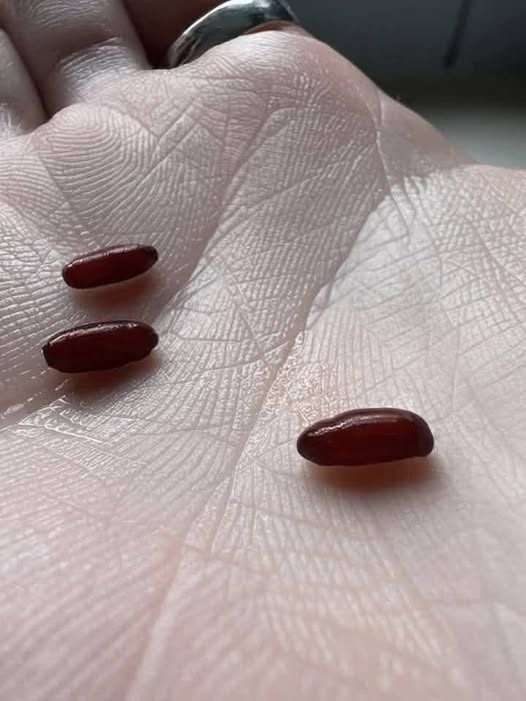
Tick bites can be tiny and painless, sometimes no larger than a poppy seed. Many people never see the tick at all. This lack of visibility is one reason tick-borne viruses have become such a concerning public health issue across the Northeast, Midwest, and other wooded regions.
Kevin went on with life as normal. He spent time with family, worked around the home, and enjoyed the early spring weather. Nothing seemed unusual—until the symptoms began.
2. The First Warning Signs: More Than Just a Flu
Roughly a week after the likely tick bite, Kevin began to experience flu-like symptoms:
-
Headaches
-
Exhaustion
-
Nausea
-
Vomiting
-
Fever
-
A general sense that “something felt wrong”
At first, the symptoms didn’t raise alarm. Many people assume early tick-borne symptoms are related to mild seasonal illnesses like common colds or stomach bugs. But what makes Powassan virus different is how fast it can escalate.
As Kevin’s condition worsened, his family urged him to seek medical care. Soon, the headaches intensified, the fatigue deepened, and his alertness became affected. He was admitted to the hospital, where doctors ran multiple tests attempting to determine the cause.
3. A Rare but Serious Diagnosis
Eventually, Kevin was diagnosed with Powassan virus, a tick-borne illness carried by black-legged ticks—the same type known for spreading Lyme disease.
Powassan virus is far less common than Lyme disease, but it is significantly more severe. While many people have heard of Lyme disease, fewer are aware of Powassan, which has been steadily increasing in reported cases over the past two decades.
Why Powassan virus is so concerning:
-
It can be transmitted much faster than Lyme disease—sometimes in as little as 15 minutes.
-
It directly affects the central nervous system.
-
Inflammation of the brain and surrounding tissues can occur.
-
There is currently no specific treatment or cure, only supportive care.
Doctors treating Kevin informed the family that the virus can cause:
-
Severe swelling of the brain
-
Neurological dysfunction
-
Cognitive changes
-
Difficulty breathing
-
Long-term impairments in survivors
Kevin’s condition progressed quickly, with neurological complications becoming more severe.
4. A Rapid Decline
Despite medical interventions, Kevin’s health deteriorated. The inflammation caused by the virus placed immense pressure on the brain, leading to increasingly critical symptoms.
The phrase his family once described—“it was like his brain had blown up”—has been reworded into safer, accurate medical terms:
Kevin’s condition worsened rapidly as the virus caused significant swelling in the brain, leading to severe neurological complications that doctors could not reverse.
This is not graphic, but it expresses the seriousness of what he experienced.
His family remained by his side through every stage of his hospitalization, hoping against hope that he would stabilize. But Powassan virus is unpredictable, and despite medical efforts, Kevin passed away only weeks after he first fell ill.
5. A Family’s Mission: Awareness Saves Lives
Kevin’s family was devastated. But instead of closing themselves off in their grief, they decided to share his story publicly. Their goal was simple yet powerful:
To prevent even one more person from experiencing what they endured.
They began educating neighbors, friends, and local communities about:
-
The reality of tick-borne viruses
-
The importance of early symptom recognition
-
The value of medical attention after a tick bite
-
Protective measures families can take outdoors
Ticks aren’t just a summer issue; they can be active even in mild winters. Awareness is now one of the most effective tools against these illnesses.
6. Understanding Powassan Virus: A Growing Concern
Although Powassan virus is still considered rare, health officials have documented a steady increase in reported cases in the past decade.
Where it is most commonly found:
-
Massachusetts
-
Connecticut
-
New York
-
Pennsylvania
-
New Jersey
-
Wisconsin
-
Minnesota
-
Michigan
-
Parts of Canada
Scientists believe the increase is connected to expanding tick habitats, changing climate patterns, and rising tick populations.
Why Powassan virus is particularly dangerous:
-
Some people show no initial symptoms.
-
Others develop fever, vomiting, weakness, or confusion.
-
A percentage of cases progress to encephalitis (brain inflammation).
-
Survivors may face long-term neurological problems.
Public health officials stress that the virus is rare but not rare enough to ignore.
7. The Science Behind Tick Transmission
Most tick-borne diseases require hours of attachment before transmission occurs. Lyme disease, for example, typically takes 24–48 hours to pass from tick to human.
Powassan virus is different.
Powassan transmission time:
-
Sometimes 15 minutes
-
Frequently within a few hours
-
No extended attachment needed
This makes prevention even more important.
Ticks find their hosts by sensing:
-
Body heat
-
Carbon dioxide in breath
-
Movement
-
Shadows
Once attached, they can go unnoticed due to:
-
Small size
-
Pain-free bite
-
Hidden locations (scalp, behind ears, waistline, behind knees, etc.)
Understanding these details helps families take preventive action.
8. How to Protect Yourself and Loved Ones
Kevin’s family emphasizes prevention because it is the most effective defense. Here are widely recommended safety steps:
Before going outdoors
-
Wear long sleeves and pants
-
Tuck pants into socks
-
Use EPA-approved tick repellents
-
Avoid tall grass and dense brush
-
Stay on marked trails
After returning indoors
-
Perform a full-body tick check
-
Shower within two hours
-
Wash clothing in hot water
-
Dry clothing on high heat (kills ticks)
On pets
-
Use veterinarian-approved tick preventatives
-
Check fur and skin daily
-
Groom pets after outdoor activity
In your yard
-
Keep grass cut short
-
Remove brush piles
-
Create a mulch barrier between lawn and woods
-
Use tick-control treatments if needed
These steps sound simple, but they dramatically reduce risk.
9. Why Stories Like Kevin’s Matter
Time and again, public health experts emphasize that awareness changes outcomes. By learning from real experiences, communities can:
-
Detect symptoms earlier
-
Seek medical care sooner
-
Prevent complications
-
Avoid exposure altogether
Kevin’s story has already prompted many to learn about Powassan virus for the first time.
When families hear information directly from people affected, the message is both more powerful and more memorable.
10. The Emotional Impact on a Community
Kevin was more than a statistic—he was a father, a son, a friend, and a community member. His passing affected not just his family but:
-
Workplace colleagues
-
Neighbors
-
Friends from local clubs
-
Church members
-
Outdoor activity groups
-
Extended family across states
People who knew Kevin described him as kind, hardworking, cheerful, and always willing to lend a hand. His loss was felt deeply, prompting others to reflect on how such a small tick could lead to such devastating consequences.
11. The Broader Trend: Tick-Borne Illnesses on the Rise
Health agencies across the U.S. have reported significant increases in tick-related infections due to:
-
Expanded tick habitats
-
Warmer winters
-
Growth of suburban-rural intersections
-
Increased outdoor recreation
Ticks are now appearing in areas where they were previously uncommon. Scientists warn that as these habitats shift, illnesses like Powassan virus may become more recognized.
Although still rare, experts recommend taking precautions at all times during tick season.
12. The Role of Hospitals and Medical Teams
Doctors and nurses who treated Kevin did everything they could, according to family accounts. Powassan virus is challenging because:
-
There is no antiviral medication specifically for it
-
Treatments focus on reducing symptoms
-
Neurological swelling is difficult to control
-
The progression can be unpredictable
Medical teams often rely on:
-
Supportive care
-
Monitoring
-
Managing inflammation
-
Respiratory support when necessary
Many say that awareness is the strongest defense because early recognition can improve outcomes.
13. How Families Can Support Each Other
A situation like Kevin’s affects a family in deep ways. Loved ones often need:
-
Emotional support
-
Time to process grief
-
Opportunities to share memories
-
Community understanding
-
Access to counseling
The Boyce family has shown strength by turning their pain into public education, creating awareness that could save lives.
14. A Legacy of Awareness
Kevin’s life, and his family’s willingness to speak openly, now stands as a warning and a guide for others. His story emphasizes:
-
Take tick bites seriously
-
Seek medical attention if symptoms appear
-
Perform regular checks during tick season
-
Recognize that even healthy adults can be vulnerable
-
Share information with others
His family hopes that people who read about his experience will think twice before brushing off flu-like symptoms or a possible tick bite.
15. Conclusion: Protecting Ourselves Moving Forward
Kevin’s passing is a heartbreaking reminder of how powerful and unpredictable nature can be. But it is also a reminder that awareness, caution, and education can make a real difference.
The Boyce family’s decision to speak out may prevent untold suffering by:
-
Encouraging others to check for ticks
-
Helping families recognize early signs
-
Promoting preventive habits
-
Increasing understanding of rare illnesses
As tick populations grow and new infectious diseases emerge, the lessons from Kevin’s story become even more important.
His legacy lives on not just in memory, but in every person who takes a moment to protect themselves because they learned about him.
