
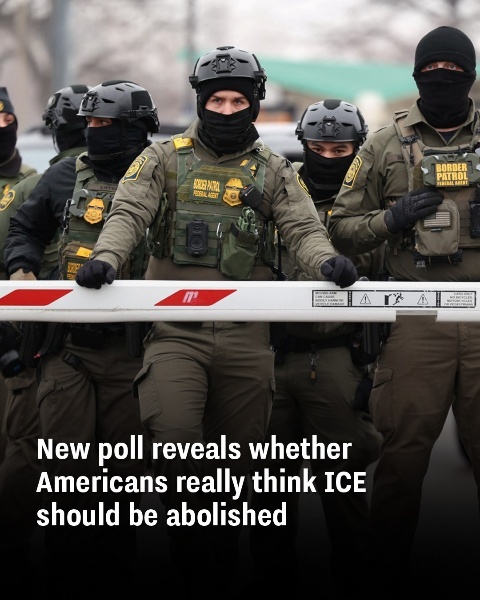
In Minneapolis this month, the debate over immigration enforcement in the United States has suddenly shifted from abstract policy to a stark confrontation with its human cost. In early January, Renée Nicole Good, a 37-year-old Minneapolis resident and U.S. citizen, was fatally shot by a U.S. Immigration and Customs Enforcement (ICE) agent during a federal enforcement operation — an encounter captured on video and widely shared. Days later, on January 24, Alex Pretti, a 37-year-old intensive care nurse and fellow U.S. citizen, was shot and killed by federal agents during a protest against the same immigration crackdown — sparking waves of outrage and disbelief across the country.
Both deaths have become touchstones in a broader national reckoning over the role and conduct of federal immigration agencies. Videos circulating online show Pretti — who was legally armed and had no criminal history — pinned, sprayed with chemical agents, and shot despite apparent efforts to stay peaceful. Government officials initially defended the use of lethal force as self-defense, but eyewitness accounts and footage have cast those claims into deep dispute, fueling protests and calls for accountability.
The political fallout has been swift and striking. A YouGov poll released in the wake of the Minneapolis shootings shows a surge in Americans saying they support abolishing ICE entirely — nearly half of those surveyed now favor dismantling the agency, a remarkable shift in public sentiment for an issue that was once narrowly partisan. Support for immigration enforcement tactics has faltered, and majorities across party lines now question whether current methods are proportionate or protective of civil rights.
President Trump, while expressing personal sorrow over the deaths, has defended federal enforcement actions and blamed “agitators” and political opponents for escalating tensions. His administration has moved to adjust tactics in Minnesota, placing some agents on administrative leave and signaling a degree of de-escalation, but critics say the responses have come too late.
Business and cultural figures have also weighed in: high-profile CEOs from tech companies have publicly condemned ICE’s methods and urged the government to rethink its approach, while artists like Bruce Springsteen have released works directly referencing the Minneapolis deaths and the broader crisis.
The result is more than a political flashpoint — it’s a moment that has eroded long-held assumptions about immigration enforcement in American politics. Fear and tough-on-crime rhetoric are increasingly colliding with graphic images of citizens killed during federal operations, triggering disgust and distrust in institutions once seen as axiomatic. Whatever policy debates come next, the old consensus on how the U.S. handles immigration and border security is undeniably fractured.
