
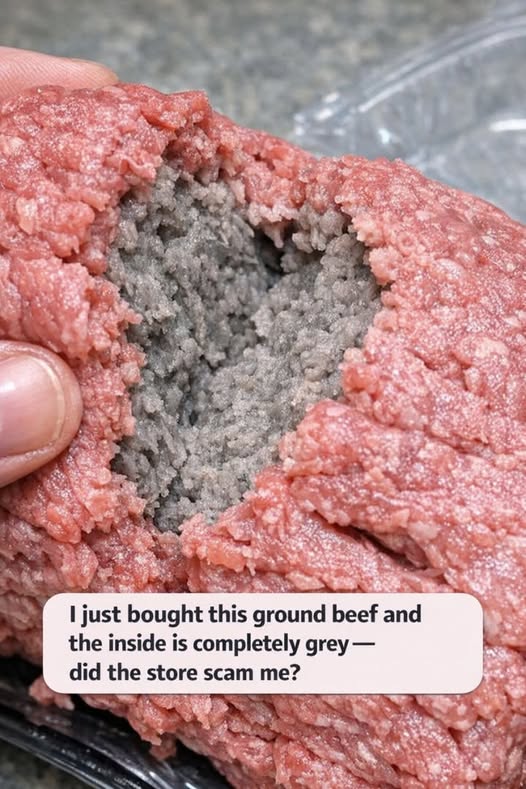
Have you ever purchased a package of ground beef that looked perfectly red and fresh on the outside, only to find that the inside is a dull grey color when you break it open? If so, you might be wondering if the store has sold you old or spoiled meat. This common occurrence can be alarming, leading to questions about food safety and quality.
Before jumping to conclusions about being scammed, it’s important to understand the natural processes that affect the color of ground beef. While it might look unappetizing, grey ground beef is not always a cause for concern. In this article, we will explore why ground beef can turn grey inside, when it is safe to eat, and how to ensure you are purchasing fresh meat.
1. Why Fresh Ground Beef Turns Brown Or Grey Inside
Ground beef can change color due to a variety of factors, primarily the exposure to oxygen and the oxidation of myoglobin, a protein found in meat. Freshly ground beef is typically bright red on the outside because it has been exposed to oxygen, which reacts with myoglobin to form oxymyoglobin, a pigment that gives meat its red color.
However, the inside of the meat may not have the same exposure to oxygen. Without this exposure, the myoglobin inside the meat can remain in a reduced state, which is naturally more grey or brown. This color change is a normal and harmless process that occurs as part of the meat’s natural aging.
2. The Science Of Oxygen, Myoglobin, And Meat Color
The color of meat is largely determined by myoglobin, a protein that stores oxygen in muscle cells. In the presence of oxygen, myoglobin forms oxymyoglobin, which is bright red. However, when oxygen levels are limited, such as in the interior of a tightly packed package of ground beef, myoglobin can convert to metmyoglobin, which has a brown or grey hue.
This transformation is purely a chemical reaction and does not indicate spoilage. It is important to note that the red color of meat is not always a reliable indicator of freshness or quality. In fact, some stores use modified atmosphere packaging to maintain the red color for longer periods, even when the meat is not as fresh.
3. When Grey Ground Beef Is Perfectly Safe To Eat
Grey ground beef can still be safe to eat if it has been stored properly and does not exhibit other signs of spoilage. The key factors to consider are the smell and texture of the meat. If the beef smells fresh and the texture is firm, it is likely safe for consumption, regardless of its color.
The United States Department of Agriculture (USDA) states that ground beef can be safely consumed up to two days after purchase when stored in the refrigerator, or three to four months if frozen. If the beef passes the smell and texture tests, it should be safe to cook and eat.
4. Red On The Outside, Grey In The Middle: Is This A Scam?
It’s understandable to feel wary when you encounter ground beef that is red on the outside and grey on the inside, but this is typically not a scam. This color disparity is a natural result of the meat’s exposure to oxygen. When ground beef is packaged, the outer layer is exposed to air, allowing it to develop the characteristic red color, while the inner portions remain deprived of oxygen, hence the grey color.
Stores are not intentionally trying to deceive customers; rather, they are working within the constraints of how meat naturally reacts to air exposure. As long as the meat has been stored correctly and does not show other signs of spoilage, it should be safe to eat.
5. Color Versus Smell And Texture: What Really Signals Spoilage
While the color of ground beef can be an initial indicator of its condition, it is not the most reliable measure of spoilage. The most telling signs of spoiled meat are its smell and texture. Spoiled beef will have a sour or off-putting odor and may feel slimy or sticky to the touch.
Always trust your senses when evaluating meat. If the beef has an unusual smell or feels different than fresh meat should, it’s best to err on the side of caution and discard it. Remember, when in doubt, throw it out.
6. How Long Ground Beef Can Safely Sit In Your Fridge
According to the USDA, raw ground beef should be cooked or frozen within two days of purchase. This short time frame is due to the high surface area exposed in ground meat, which can harbor bacteria more easily than whole cuts.
If you do not plan to use the ground beef within this time frame, it is best to freeze it to ensure safety and quality. Properly stored, ground beef can last in the freezer for up to four months, retaining its quality.
7. Smart Ways To Check Ground Beef In The Store Before You Buy
When purchasing ground beef, look for packages that are cold to the touch and have a consistent color throughout, though some color variations are normal. Check the packaging for any tears or leaks, as this can introduce bacteria.
Pay attention to the sell-by date and choose packages with the latest dates to ensure maximum freshness. If possible, opt for vacuum-sealed packages, as these help preserve freshness and color by limiting oxygen exposure.
8. Decoding Labels, Sell-By Dates, And Packaging Types
Understanding labels and sell-by dates can help you make informed decisions when buying meat. The sell-by date is the last day the store recommends selling the product, but it does not necessarily mean the meat is unsafe to consume after this date.
Packaging types also play a role in meat preservation. Vacuum-sealed and modified atmosphere packaging can extend the shelf life by reducing oxygen exposure. Always check for any signs of damage in the packaging before purchasing.
9. When Grey Beef Is A Red Flag: Signs You Should Toss It
While grey beef is often safe, there are instances when it should be discarded. If the meat has a strong, unpleasant odor, feels sticky or slimy, or if the package is bulging or damaged, these are signs of spoilage.
Additionally, if the beef has been stored beyond the recommended time frame in the refrigerator or has been left out at room temperature for more than two hours, it is best to throw it out to prevent the risk of foodborne illness.
10. What To Do If You Think The Store Sold You Bad Meat
If you suspect that you have been sold spoiled meat, you should first contact the store to report the issue. Many stores have return or refund policies for perishable items, and they may offer a replacement or a refund.
Providing feedback can also help the store improve its quality control measures. Keep the receipt and the packaging if possible, as these may be required for a refund or exchange.
11. How To Store And Freeze Ground Beef To Keep It Safe And Red Longer
To extend the shelf life of ground beef, it should be stored in the coldest part of the refrigerator and used within two days. If you plan to keep it longer, wrap it tightly in plastic wrap or place it in a freezer-safe bag before freezing.
When freezing, try to remove as much air as possible from the packaging to prevent freezer burn and preserve the meat’s color and quality. Label the package with the date to keep track of its storage time, and use it within three to four months for the best quality.
Categories: News
