
The shots came without warning, and now nothing feels safe.
In two cities, two days, two separate incidents involving federal immigration agents turned suddenly, violently lethal — and left communities reeling, leaders clashing, and a nation asking how enforcement became synonymous with gunfire.
In Portland, Oregon, Border Patrol agents opened fire during an immigration-related vehicle stop near a hospital, wounding two people. Authorities said the incident occurred as agents attempted to stop a vehicle — and the Department of Homeland Security framed the confrontation as defensive — but details remain under investigation, and local police emphasized they were not leading the operation. The wounded were transported to hospitals, and streets that had just begun processing shock were once again stirred with protest and anxiety as community leaders called for calm and clarity.
The bullets that tore through that vehicle did more than injure two residents; they opened Portland’s own deep, simmering distrust of militarized federal power — especially when state and city officials insist they were never part of the enforcement action itself.
Then there is Minneapolis, already in mourning.
Before the Portland incident, federal immigration agents had shot and killed 37-year-old Renee Nicole Good, an American citizen who was in her vehicle near a federal enforcement operation. Witnesses, family members, and community leaders have said Good posed no threat, and local authorities have been sharply critical of how the shooting unfolded and how it was handled afterward. Her death ignited protests that have stretched for weeks and has become a defining flashpoint in the national debate over the reach and tactics of immigration enforcement.
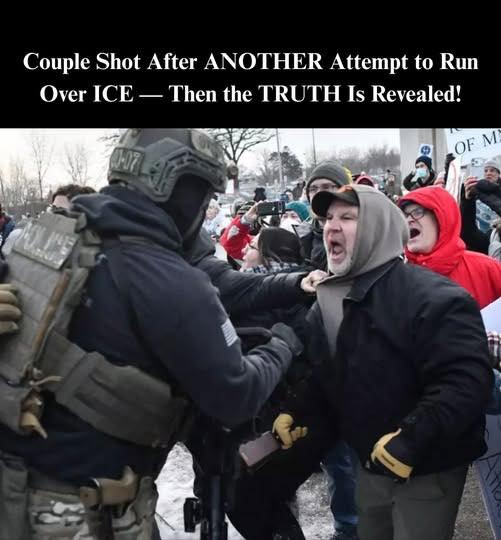
Then came another tragedy in Minneapolis — the fatal shooting of Alex Pretti, an ICU nurse and U.S. citizen, during protests and confrontations tied to broader enforcement activity. Video shared publicly and statements from local officials appeared to contradict early federal characterizations of the incident, intensifying scrutiny and outrage.
Across both cities, leaders are trading sharp accusations on live television while streets fill, tempers rise, and the line between law enforcement and active conflict seems to blur. Governors, mayors, and even federal lawmakers are demanding independent investigations, release of body-cam footage, and accountability in ways that go beyond routine internal reviews. Critics argue that the administration’s public defenses — including officials calling agents the “real victims” of these encounters — only deepen the disconnect between local experience and federal messaging.
Communities that once saw enforcement actions as distant or abstract now see them as visceral, immediate, and unsettlingly close. Families struggle with grief and unanswered questions. Protesters march for accountability and policy reform. And whether in Portland or Minneapolis, the question haunts every statement and every headline: when immigration enforcement comes with gunfire, whose safety counts — and who gets to decide when the trigger is pulled?
