
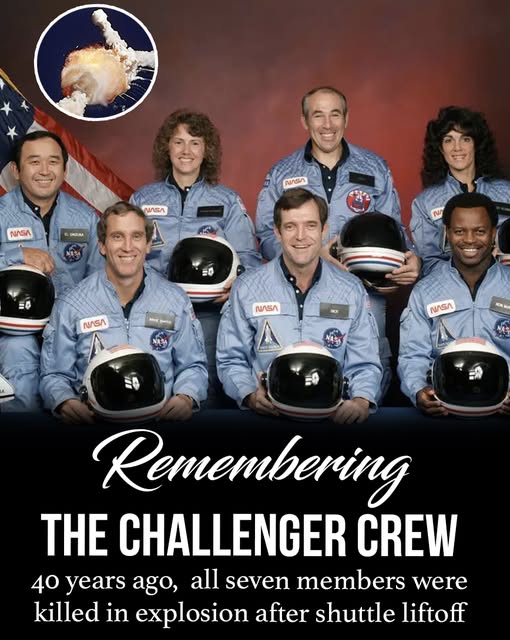
On a bright January morning, millions watched live as the unthinkable happened. A trail of fire, a blooming cloud in the sky, and then a stunned, echoing silence. Classrooms fell quiet. Newscasters choked on their words. Parents reached for their children, searching for answers no one had.
The Challenger disaster did more than end seven lives; it shattered an illusion. We had come to believe that spaceflight was almost routine, a spectacle for school televisions and morning news. Instead, the explosion exposed chilling truths: warnings ignored, risks downplayed, decisions pushed through against the quiet terror of engineers who knew the cold could kill. Christa McAuliffe’s presence made the loss deeply intimate—every parent saw a teacher, every child saw a hero.
Yet from the wreckage came a different kind of launch. Investigations forced NASA to confront its culture, to listen harder to dissenting voices, to rebuild trust inch by inch. The memory of that plume over Florida still hurts, but it also binds generations in a shared vow: that exploration must never again outrun our honesty about danger, or our duty to protect those who dare to go.
