
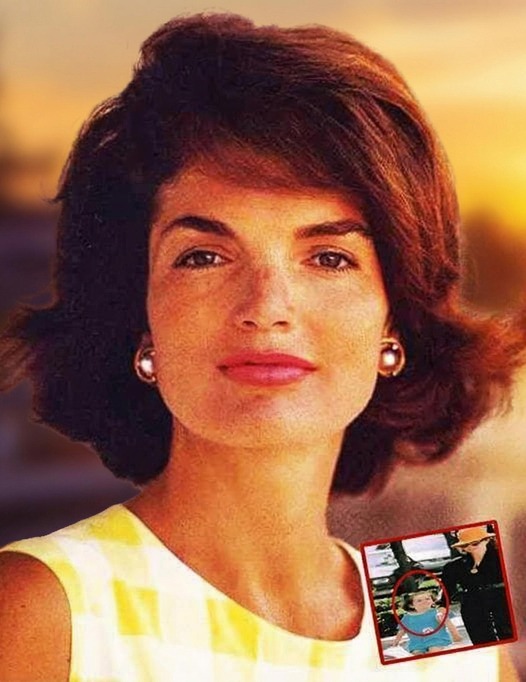
Jacqueline Kennedy Onassis remains one of the most admired figures in American history, not because of grand displays, but because of the calm strength and depth she carried through extraordinary moments. As First Lady, she transformed the White House into a center of culture and history, believing that art, literature, and heritage were essential to a nation’s identity. Through her restoration efforts, global diplomacy, and lifelong devotion to books and learning, she set an example rooted in intellect and elegance. Even after the loss of President John F. Kennedy, she lived with intention—raising her children thoughtfully and later building a respected career in publishing. Her life became a lasting lesson in resilience, dignity, and curiosity.
That influence can be seen today in her granddaughter, Rose Kennedy Schlossberg, the eldest daughter of Caroline Kennedy. Now grown, Rose is often noted for her resemblance to her grandmother, but her story stands firmly on its own. Raised largely outside the public spotlight, she grew up in a family environment that prioritized education, creativity, and independent thinking over fame. She attended a prestigious preparatory school and went on to earn a degree in English from Harvard University, continuing a family tradition centered on literature and thoughtful expression. Those close to her describe her as observant, curious, and reflective—traits that mirror Jacqueline’s quiet intelligence.
Rather than entering politics, Rose chose a creative direction that reflects a modern sensibility. She co-created and starred in the satirical web series End Times Girls Club, a project that uses humor and social commentary to explore anxiety, preparedness, and resilience in contemporary life. The series carries a distinctly generational voice while still honoring the storytelling and cultural awareness long associated with her family. While she has supported civic causes and political engagement through volunteer work, she has been deliberate about keeping her professional identity rooted in creativity rather than public office.
Jacqueline Kennedy Onassis passed away in 1994, when Rose was still young, yet her influence endures in ways that go beyond direct memory. Family members have often spoken about the values Jacqueline emphasized—grace under pressure, respect for learning, and living with purpose—and how those ideals were passed down through generations. Rose carries that legacy not as a comparison, but as a foundation, shaping her path while allowing her to remain authentically herself.
In that way, Jacqueline Kennedy’s legacy continues—not as a fixed image from history, but as a living presence reflected in confidence, creativity, and intellectual curiosity, carried forward by a granddaughter forging her own path.
